Last updated: August 9, 2026
What looks like selfishness at 8–12 is usually a child who has not yet been asked to imagine the other side. Lectures make it worse, because at this age they sound like accusations. Here is what works instead.
Not sure which challenge to start with? The free book finder for ages 8–12 asks five questions about what you have noticed at home and names one story — no email needed.
Tantrums are often viewed as mere outbursts of frustration or anger, but they can serve as a critical entry point for teaching children about empathy. When a child experiences a tantrum, it is typically a manifestation of overwhelming emotions that they may not yet have the vocabulary or understanding to express. Recognizing that these episodes are not just disruptive behavior but rather signals of emotional distress can help caregivers approach the situation with compassion.
For instance, a toddler throwing a fit in a grocery store may be overwhelmed by sensory stimuli or unable to articulate their desire for a specific snack. By acknowledging the underlying feelings behind the tantrum, adults can model empathetic responses, demonstrating how to navigate intense emotions. Moreover, understanding tantrums allows caregivers to teach children about the feelings of others.
When a child sees another peer upset, they can draw parallels to their own experiences of frustration or sadness. This connection fosters an awareness of emotional states beyond their own, laying the groundwork for empathy. For example, if a child learns to recognize that their friend is upset because they lost a toy, they can relate it back to their own feelings during a tantrum.
This recognition is crucial; it helps children understand that everyone experiences strong emotions and that these feelings deserve acknowledgment and care. By framing tantrums as opportunities for emotional education, caregivers can cultivate a more empathetic mindset in children from an early age.
Key Takeaways
- Understanding tantrums is the first step in teaching empathy, as it helps adults recognize and address the underlying emotions driving the behavior.
- Simple stories have the power to teach empathy by allowing children to step into the shoes of others and understand different perspectives.
- Creating a culture of sharing teaches kids empathy by promoting the value of considering others’ needs and feelings.
- Role-playing and storytelling are effective tools for teaching empathy, as they allow children to practice understanding and responding to different emotions and situations.
- Nurturing empathy through positive reinforcement and modeling helps children learn to recognize and express empathy in their interactions with others.
The Power of Simple Stories in Teaching Empathy
Stories have long been a powerful tool for imparting lessons and values, and their role in teaching empathy cannot be overstated. Simple narratives, whether found in picture books or told orally, allow children to step into the shoes of characters facing various challenges. These stories often present relatable situations where characters experience joy, sadness, fear, or anger, providing young readers with a safe space to explore complex emotions.
For instance, a story about a character who shares their toys with a new friend can illustrate the joy of generosity and the importance of considering others’ feelings. Through these narratives, children learn to identify with characters and reflect on their own emotional responses. Furthermore, stories can introduce children to diverse perspectives and experiences that they may not encounter in their daily lives.
A tale set in a different culture or featuring characters from various backgrounds can broaden a child’s understanding of the world and the myriad ways people experience life. For example, reading about a child who faces challenges due to their family’s financial struggles can help children develop compassion for those who are different from them. By engaging with these narratives, children learn that empathy extends beyond their immediate circle and encompasses a broader human experience.
The simplicity of storytelling makes it an accessible and effective method for instilling empathy in young minds.
Creating a Culture of Sharing: Lessons for Kids
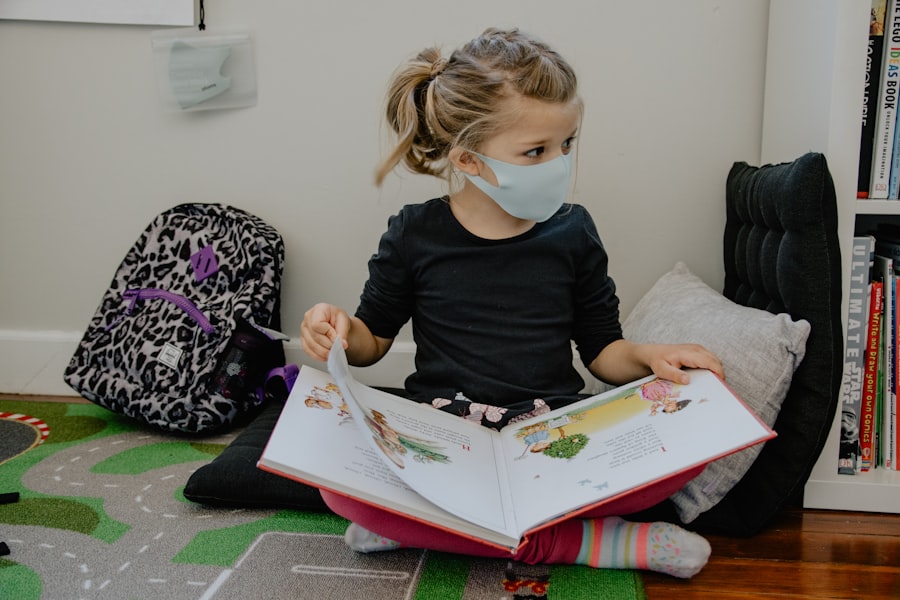
Creating a culture of sharing within families and educational settings is fundamental in teaching children about empathy. Sharing is not merely an act of giving; it is an expression of understanding and consideration for others’ needs and feelings. When children are encouraged to share their toys, snacks, or even their time with others, they learn that their actions can positively impact those around them.
For instance, during playtime, if one child shares their favorite toy with another who is feeling left out, it not only fosters friendship but also teaches the value of kindness and generosity. This practice reinforces the idea that sharing is an essential component of social interaction and emotional connection. Moreover, creating opportunities for sharing can be integrated into everyday activities.
Family meals can become moments where children are encouraged to share stories about their day or express what they are grateful for.
These experiences help children understand that sharing is not just about material possessions but also about sharing emotions, thoughts, and experiences.
By embedding sharing into the fabric of daily life, caregivers and educators can cultivate an environment where empathy flourishes.
Teaching Empathy Through Role-Playing and Storytelling
Role-playing is an engaging method for teaching empathy that allows children to explore different perspectives in a hands-on manner. By stepping into the roles of various characters—whether they are heroes, villains, or everyday people—children can experience situations from multiple viewpoints.
For example, during a role-playing exercise where one child pretends to be a new student at school while another acts as a welcoming peer, they can explore feelings of anxiety and acceptance. This kind of imaginative play encourages children to think critically about how their actions affect others. In conjunction with storytelling, role-playing can deepen children’s understanding of empathy by allowing them to act out scenarios that require emotional intelligence.
After reading a story about conflict resolution, children can reenact the characters’ interactions, experimenting with different responses to see how each choice impacts the outcome. This active engagement not only reinforces the lessons learned from the story but also empowers children to practice empathy in real-life situations. By combining storytelling with role-playing, caregivers and educators create dynamic learning experiences that resonate with children’s emotions and foster empathetic behavior.
Nurturing Empathy Through Positive Reinforcement and Modeling
Positive reinforcement plays a crucial role in nurturing empathy among children. When caregivers acknowledge and praise empathetic behaviors—such as comforting a friend who is upset or helping someone in need—they reinforce these actions as desirable and valuable. For instance, if a child shares their lunch with a classmate who forgot theirs, recognizing this act with praise not only boosts the child’s self-esteem but also encourages them to continue acting kindly in the future.
This reinforcement creates a cycle where empathetic behavior is rewarded, making it more likely that children will repeat such actions. Modeling empathetic behavior is equally important in teaching children how to respond to others’ emotions effectively. Children learn by observing adults; therefore, when caregivers demonstrate empathy in their interactions—whether it’s listening attentively to a friend or showing compassion towards someone in distress—they set an example for children to follow.
For example, if a parent takes the time to comfort a neighbor who has lost a pet, they illustrate the importance of being there for others during difficult times. By consistently modeling empathetic behavior in everyday situations, adults provide children with tangible examples of how to practice empathy themselves.
Encouraging Empathy Through Acts of Kindness and Community Service

Engaging children in acts of kindness and community service is an effective way to cultivate empathy on a broader scale. When children participate in activities that benefit others—such as volunteering at a local shelter or organizing a food drive—they gain firsthand experience of how their actions can positively impact their community. These experiences help children understand the struggles faced by others and foster a sense of responsibility towards those in need.
For instance, participating in a community clean-up not only teaches children about environmental stewardship but also instills an appreciation for collective effort and caring for one another. Moreover, acts of kindness can be integrated into daily life through small gestures that encourage empathy on an individual level. Simple actions like writing thank-you notes or helping neighbors with chores can reinforce the idea that kindness is an essential part of human interaction.
When children see the joy that these acts bring to others, they begin to internalize the value of empathy as an integral aspect of their character. Encouraging regular participation in community service not only broadens children’s perspectives but also helps them develop lasting connections with those around them.
Fostering Empathy Through Open Communication and Active Listening
Open communication is vital in fostering empathy among children as it creates an environment where feelings can be expressed freely without judgment. Encouraging children to share their thoughts and emotions helps them articulate their experiences while also learning to listen to others’ perspectives. For instance, family discussions about daily events or feelings allow children to practice expressing themselves while also learning to value what others have to say.
This exchange cultivates an atmosphere of mutual respect and understanding where empathy can thrive. Active listening is another essential component of effective communication that enhances empathetic understanding. Teaching children how to listen attentively—by making eye contact, nodding in acknowledgment, and asking clarifying questions—helps them engage more deeply with others’ feelings and experiences.
For example, when a child listens carefully as a friend shares their worries about an upcoming test, they learn not only about their friend’s concerns but also how to respond supportively. This practice reinforces the idea that listening is just as important as speaking when it comes to building empathetic relationships.
The Long-Term Benefits of Teaching Empathy in Childhood
The long-term benefits of teaching empathy during childhood extend far beyond immediate social interactions; they lay the foundation for healthier relationships throughout life. Children who develop strong empathetic skills are more likely to form meaningful connections with peers and adults alike. As they grow into adolescence and adulthood, these individuals often exhibit greater emotional intelligence, which is linked to improved mental health outcomes and better conflict resolution skills.
For instance, research has shown that empathetic individuals are less likely to engage in aggressive behavior and more likely to seek peaceful solutions during disputes. Additionally, fostering empathy early on contributes to creating compassionate communities where individuals are more inclined to support one another during challenging times. Empathetic adults are often more engaged citizens who participate actively in community service and advocate for social justice issues.
By instilling these values in childhood, we not only enhance individual well-being but also contribute positively to society as a whole. The ripple effect of teaching empathy can lead to more harmonious relationships within families, schools, workplaces, and communities at large—ultimately shaping a more understanding and compassionate world for future generations.
FAQs
What is the article “From Tantrums to Empathy: How Simple Stories Transform Selfishness Into Sharing” about?
The article discusses the impact of simple stories on transforming selfish behavior into empathy and sharing, particularly in children.
How do simple stories help in transforming selfishness into sharing?
Simple stories help in transforming selfishness into sharing by teaching children about empathy, kindness, and the importance of considering others’ feelings and needs.
What are some examples of simple stories that can help in this transformation?
Examples of simple stories that can help in transforming selfishness into sharing include tales that emphasize the value of generosity, cooperation, and understanding.
What are the benefits of using simple stories to promote empathy and sharing?
The benefits of using simple stories to promote empathy and sharing include fostering positive social behaviors, enhancing emotional intelligence, and promoting a sense of community and cooperation.
How can parents and educators incorporate simple stories into their efforts to promote empathy and sharing?
Parents and educators can incorporate simple stories into their efforts to promote empathy and sharing by reading and discussing these stories with children, using them as a basis for conversations about empathy and kindness, and modeling the behaviors and values portrayed in the stories.
📚 The story that walks your child through it
A Volcano Inside Me — the story about anger that arrives too fast, for ages 8–14. Part of the Lena series from our moral stories for kids aged 8–12.