Last updated: August 9, 2026
The link between bedtime stories and later success is not vocabulary. It is that a child who follows a character through a hard decision is practising making one. Here is what that looks like at ages 8–12, and how to keep it going past the picture-book years.
Not sure which challenge to start with? The free book finder for ages 8–12 asks five questions about what you have noticed at home and names one story — no email needed.
Bedtime stories have long been a cherished tradition in many cultures, serving not only as a means to lull children to sleep but also as a powerful tool for moral development. The act of storytelling creates a unique environment where children can explore complex themes and ethical dilemmas in a safe and engaging manner. Through narratives that often feature characters facing moral choices, children are introduced to concepts of right and wrong, justice and injustice, kindness and cruelty.
These stories provide a framework for understanding the consequences of actions, allowing children to reflect on their own behavior and the impact it has on others. Moreover, the emotional connection fostered during bedtime storytelling enhances the learning experience. When parents or caregivers read to children, they create a bond that encourages open dialogue about the themes presented in the story.
This interaction not only reinforces the moral lessons but also allows children to express their thoughts and feelings about the characters’ decisions. For instance, a story about a character who shares their toys can lead to discussions about generosity and the importance of sharing in real life. Such conversations help solidify the moral lessons learned through the narrative, making them more relatable and applicable to everyday situations.
Key Takeaways
- Bedtime stories play a crucial role in shaping moral development in children.
- Morals learned in childhood have a significant impact on future success and happiness in adults.
- Bedtime stories are instrumental in instilling values and ethics in children from a young age.
- Reading bedtime stories can have a long-term impact on emotional intelligence and empathy in children.
- Moral development in childhood is a strong predictor of success and well-being in adulthood.
The Influence of Morals on Future Success and Happiness in Adults
The morals instilled during childhood play a significant role in shaping an individual’s future success and overall happiness. Research has shown that individuals who develop a strong moral compass early in life tend to exhibit higher levels of integrity, responsibility, and empathy as adults. These traits are essential in various aspects of life, including personal relationships, professional environments, and community engagement.
For example, adults who prioritize honesty and ethical behavior are more likely to build trust with colleagues and friends, leading to stronger relationships and collaborative opportunities. Furthermore, the ability to empathize with others is closely linked to emotional intelligence, which is increasingly recognized as a key factor in achieving success in both personal and professional realms. Adults who can understand and relate to the emotions of others are often better equipped to navigate social complexities, resolve conflicts, and lead effectively.
This emotional intelligence is often rooted in the moral lessons learned during childhood, where stories serve as a vehicle for understanding diverse perspectives and the importance of compassion. As such, the foundation laid by bedtime stories can have far-reaching implications for an individual’s ability to thrive in adulthood.
The Role of Bedtime Stories in Instilling Values and Ethics in Children
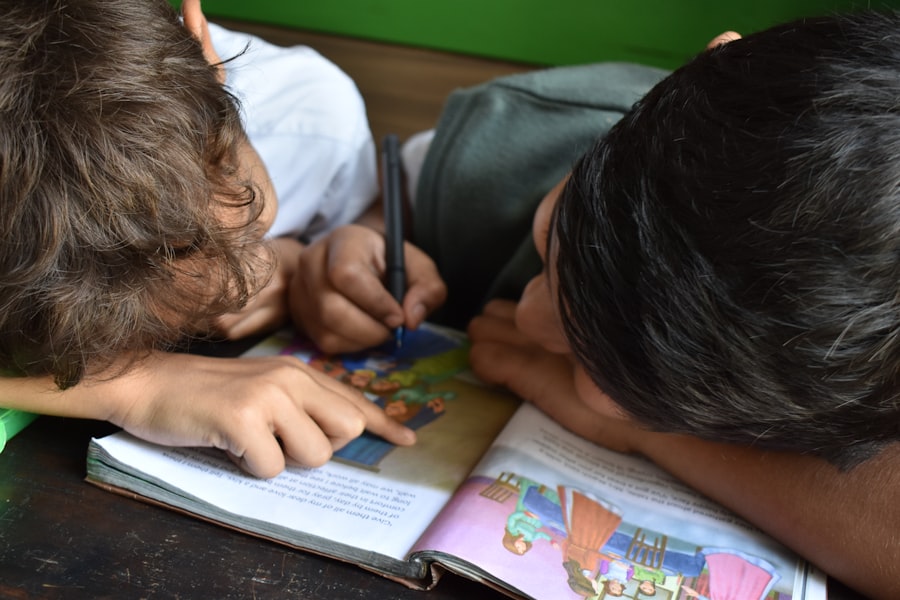
Bedtime stories serve as a vital medium for instilling values and ethics in children. Through engaging narratives, children encounter characters who embody various virtues such as honesty, courage, kindness, and perseverance. These stories often present moral dilemmas that require characters to make difficult choices, allowing young readers to witness the consequences of those choices.
For instance, a tale about a brave little mouse who stands up to a bully not only entertains but also teaches children about courage and standing up for what is right. Additionally, bedtime stories can introduce children to cultural values and ethical frameworks that may differ from their own experiences. By exposing children to diverse narratives from various cultures, parents can broaden their understanding of morality beyond their immediate environment.
This exposure fosters an appreciation for diversity and encourages critical thinking about ethical issues. For example, stories from different cultures may highlight communal values versus individualistic approaches, prompting discussions about how these differing perspectives shape behavior and societal norms.
The Long-Term Impact of Bedtime Stories on Emotional Intelligence and Empathy
The long-term impact of bedtime stories extends beyond immediate moral lessons; they play a crucial role in developing emotional intelligence and empathy in children. Emotional intelligence encompasses the ability to recognize, understand, and manage one’s own emotions while also being attuned to the emotions of others. Bedtime stories often present characters experiencing a range of emotions—joy, sadness, fear, and anger—allowing children to identify with these feelings and learn how to respond appropriately.
As children engage with these narratives, they practice empathy by putting themselves in the shoes of the characters. For instance, when a child reads about a character who feels lonely or scared, they may reflect on their own experiences with similar emotions. This reflection fosters a deeper understanding of others’ feelings and encourages compassionate responses in real-life situations.
Over time, this practice can lead to enhanced social skills and stronger interpersonal relationships as children grow into adulthood.
How Moral Development in Childhood Predicts Success and Well-Being in Adulthood
Moral development during childhood is a strong predictor of success and well-being in adulthood. Children who learn to navigate moral complexities are better equipped to handle challenges later in life. They develop critical thinking skills that enable them to assess situations from multiple angles and make informed decisions based on ethical considerations.
This ability is particularly valuable in professional settings where ethical dilemmas often arise. Moreover, individuals with a solid moral foundation tend to experience greater life satisfaction. They are more likely to engage in prosocial behaviors—actions intended to benefit others—which can lead to fulfilling relationships and a sense of community belonging.
Studies have shown that adults who prioritize altruism and community service report higher levels of happiness and fulfillment. Thus, the moral lessons learned through bedtime stories not only shape character but also contribute significantly to overall well-being throughout life.
The Connection Between Bedtime Stories, Morals, and Resilience in Adulthood

The connection between bedtime stories, morals, and resilience is profound. Resilience—the ability to bounce back from adversity—is often rooted in the values instilled during childhood. Bedtime stories frequently depict characters overcoming obstacles through perseverance, courage, and ethical decision-making.
These narratives provide children with examples of resilience in action, illustrating how moral strength can help individuals navigate life’s challenges. When children internalize these lessons, they develop a mindset that views challenges as opportunities for growth rather than insurmountable obstacles.
This resilience is crucial for adults as they encounter setbacks in their careers or personal lives; those with strong moral foundations are often better equipped to cope with adversity while maintaining their integrity.
The Importance of Choosing Bedtime Stories with Moral Lessons for Children
Selecting bedtime stories that contain moral lessons is essential for fostering children’s ethical development. Not all stories are created equal; some may entertain without imparting valuable lessons or encouraging critical thinking about morality. Parents should seek out narratives that challenge children to think deeply about right and wrong while also providing relatable characters facing moral dilemmas.
Classic tales such as “The Boy Who Cried Wolf” or “Cinderella” offer rich opportunities for discussion about honesty and kindness respectively. However, contemporary literature also provides diverse perspectives on morality that resonate with today’s children. Books featuring characters from various backgrounds can help instill values such as inclusivity and respect for differences.
By consciously choosing stories that align with desired moral teachings, parents can actively participate in their children’s moral development journey.
Practical Tips for Parents to Incorporate Moral Development into Bedtime Stories
Parents looking to incorporate moral development into bedtime stories can employ several practical strategies. First, they should engage their children in discussions about the story’s themes after reading. Asking open-ended questions such as “What would you have done if you were in that situation?” encourages critical thinking and personal reflection on moral choices.
Additionally, parents can create a storytelling routine that includes diverse genres—fairy tales, fables, modern stories—that each highlight different virtues or ethical dilemmas. This variety keeps children engaged while exposing them to a wide range of moral lessons. Furthermore, parents can encourage their children to share their own stories or experiences related to the themes discussed, fostering creativity while reinforcing the importance of morals.
Incorporating interactive elements into storytelling can also enhance engagement; for example, parents might ask their children to predict what will happen next or suggest alternative endings based on different moral choices. This not only makes storytelling more dynamic but also deepens children’s understanding of how morals influence outcomes. By actively participating in their children’s literary experiences and emphasizing the importance of morals within those narratives, parents can significantly contribute to their children’s ethical development—laying the groundwork for future success and well-being throughout adulthood.
FAQs
What is the connection between bedtime stories and future success?
Research has shown that children who are read bedtime stories with moral lessons are more likely to develop empathy, have better social skills, and exhibit higher levels of emotional intelligence. These qualities are linked to future success and happiness in adulthood.
How do morals in bedtime stories shape happy adults?
Bedtime stories with moral lessons help children develop a strong moral compass, which guides their decision-making and behavior as they grow into adults. This foundation of moral values can lead to greater satisfaction and fulfillment in their personal and professional lives.
What are some examples of moral lessons in bedtime stories?
Moral lessons in bedtime stories can include themes such as kindness, honesty, perseverance, empathy, and the importance of helping others. These stories often feature characters who face moral dilemmas and make choices that demonstrate the value of these virtues.
Are there specific types of bedtime stories that are more effective in shaping future success?
Bedtime stories that involve characters overcoming challenges, making ethical decisions, and demonstrating positive character traits are particularly effective in shaping future success. These stories provide children with examples of resilience, empathy, and moral courage.
At what age should parents start reading bedtime stories with moral lessons to their children?
Parents can start reading bedtime stories with moral lessons to their children as early as infancy. Even very young children can benefit from hearing stories that emphasize positive values and moral principles.
📚 The story that walks your child through it
The Hospital Secret — the story about a mind that will not stop, for ages 8–14. Part of the Lena series from our moral stories for kids aged 8–12.