Last updated: August 9, 2026
Around ten, belonging starts to outrank being right. That is normal development rather than a character flaw — and it is why “just be yourself” lands so badly. Here is what helps a tween hold their own line while still fitting in.
Not sure which challenge to start with? The free book finder for ages 8–12 asks five questions about what you have noticed at home and names one story — no email needed.
In the contemporary landscape, social media has emerged as a formidable force shaping the values and beliefs of tweens. Platforms such as Instagram, TikTok, and Snapchat are not merely tools for communication; they serve as cultural touchstones that influence how young individuals perceive themselves and their place in the world. The curated lives presented by influencers and peers can create a distorted sense of reality, where likes and shares become measures of self-worth.
This phenomenon can lead to an obsession with appearance, popularity, and materialism, as tweens often equate social media engagement with personal validation. The constant exposure to idealized lifestyles can foster feelings of inadequacy and anxiety, prompting them to adopt values that prioritize external validation over intrinsic qualities. Moreover, social media can also serve as a double-edged sword, offering a platform for positive values such as inclusivity, activism, and self-expression.
Many tweens are exposed to movements advocating for social justice, mental health awareness, and environmental sustainability through their feeds. These messages can inspire young individuals to adopt values centered around empathy, community engagement, and responsibility. For instance, campaigns promoting body positivity challenge traditional beauty standards and encourage tweens to embrace their uniqueness.
Thus, while social media can perpetuate harmful ideals, it also has the potential to cultivate a generation that is more socially aware and engaged in meaningful causes.
Key Takeaways
- Social media has a significant impact on shaping tween values, as it exposes them to various influences and perspectives.
- Peer pressure in the digital age can be identified and navigated by promoting open communication and teaching tweens to make independent and thoughtful decisions.
- Storytelling plays a powerful role in shaping tween values, as it allows them to empathize with different characters and situations.
- Selecting moral kids books online can reinforce positive values in tweens and provide them with valuable life lessons.
- Childhood books can teach important lessons and values, such as empathy, kindness, and resilience, that are essential for tweens’ development.
Identifying and Navigating Peer Pressure in a Digital Age
Peer pressure has long been a significant influence on adolescent behavior, but in the digital age, its manifestations have evolved. Tweens are now subjected to a unique form of peer pressure that extends beyond face-to-face interactions. The omnipresence of social media means that the pressure to conform can occur at any time and in any place.
For example, a tween may feel compelled to participate in viral challenges or trends that may not align with their values or interests simply to fit in with their peers online. This digital peer pressure can lead to risky behaviors, such as substance use or engaging in harmful online challenges, as the desire for acceptance often outweighs personal judgment. Navigating this complex landscape requires both awareness and resilience.
Parents and educators play a crucial role in helping tweens identify the subtle cues of peer pressure in digital spaces. Open discussions about the implications of online behavior can empower tweens to make informed choices. Encouraging them to critically evaluate the motivations behind certain trends or challenges can foster a sense of agency.
Additionally, promoting a strong sense of self-worth that is not contingent on social media validation can help tweens resist negative peer influences. By cultivating an environment where tweens feel comfortable expressing their thoughts and concerns about online interactions, adults can equip them with the tools needed to navigate peer pressure effectively.
The Power of Storytelling in Shaping Tween Values
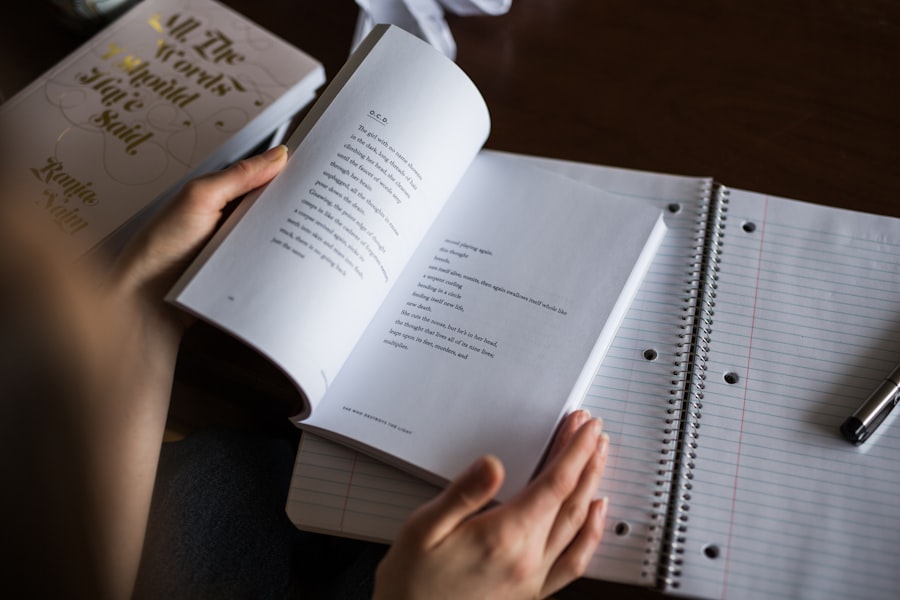
Storytelling has always been a powerful medium for imparting values and lessons across generations.
Engaging stories allow tweens to explore complex themes such as friendship, loyalty, courage, and integrity in a relatable manner.
When they encounter characters facing moral dilemmas or navigating challenges, it provides them with a framework for understanding their own values and decision-making processes. For instance, a story about a young protagonist standing up against bullying can resonate deeply with a tween who may be grappling with similar issues in their own life. Moreover, storytelling fosters empathy by allowing tweens to step into the shoes of diverse characters from various backgrounds and cultures.
This exposure broadens their perspectives and encourages them to appreciate differences while recognizing shared human experiences. Books that feature protagonists from marginalized communities or those facing adversity can instill values of compassion and social responsibility. As tweens engage with these narratives, they not only learn about the struggles of others but also reflect on their own beliefs and behaviors.
The emotional connections formed through storytelling can be instrumental in shaping a tween’s moral compass.
Selecting Moral Kids Books Online to Reinforce Values
In an age where digital resources are abundant, selecting appropriate moral kids’ books online can be both an exciting and daunting task for parents and educators. The internet offers a plethora of options that cater to various interests and age groups; however, not all books are created equal when it comes to imparting values. It is essential to seek out literature that not only entertains but also encourages critical thinking and ethical reflection.
Websites dedicated to children’s literature often provide curated lists highlighting books that address themes such as kindness, honesty, perseverance, and respect for diversity.
For instance, picture books may introduce foundational values through simple narratives and illustrations, while chapter books can delve into more nuanced moral dilemmas suitable for older tweens.
Additionally, reading reviews from trusted sources or engaging with online communities focused on children’s literature can provide valuable insights into which books resonate well with young readers. By thoughtfully curating a collection of moral kids’ books, caregivers can create an enriching literary environment that reinforces positive values while sparking meaningful discussions.
Childhood Books That Teach Important Lessons
Throughout history, certain childhood books have stood the test of time due to their ability to convey important life lessons through engaging narratives. Classics such as “Charlotte’s Web” by E.White teach lessons about friendship, loyalty, and the cycle of life through the poignant relationship between a pig named Wilbur and a spider named Charlotte. Similarly, “The Giving Tree” by Shel Silverstein explores themes of selflessness and unconditional love through the relationship between a boy and a tree that gives everything it has for his happiness.
These stories resonate with readers of all ages because they encapsulate universal truths about human relationships and moral choices. In addition to these timeless classics, contemporary literature continues to emerge that addresses relevant issues faced by today’s tweens. Books like “Wonder” by R.J.
Palacio promote kindness and acceptance by telling the story of Auggie Pullman, a boy with facial differences navigating school life. Such narratives not only entertain but also challenge readers to reflect on their own behaviors towards others who may be different from them. By incorporating both classic and modern literature into their reading repertoire, tweens can gain insights into important life lessons that shape their understanding of empathy, resilience, and ethical decision-making.
Using Books for Kids to Spark Conversations About Values

Books serve as an excellent springboard for initiating conversations about values among tweens. When caregivers read together with children or discuss literature in educational settings, they create opportunities for dialogue that might not arise in everyday interactions. For instance, after reading a story that addresses themes of honesty or integrity, adults can ask open-ended questions such as “What would you have done in that situation?” or “Why do you think honesty is important?” These discussions encourage tweens to articulate their thoughts and feelings while considering different perspectives.
Furthermore, using literature as a tool for conversation allows caregivers to address complex topics in a safe and structured manner. Books that tackle issues like bullying, friendship conflicts, or cultural differences provide relatable scenarios for tweens to explore their own experiences. By discussing characters’ choices and motivations within these narratives, caregivers can guide tweens toward developing their moral reasoning skills.
This approach not only reinforces the values presented in the stories but also empowers tweens to apply these lessons in real-life situations.
How to Encourage Critical Thinking and Empathy in Tweens Through Literature
Encouraging critical thinking and empathy in tweens through literature involves more than just reading stories; it requires active engagement with the text and thoughtful reflection on its themes. One effective strategy is to incorporate discussion prompts that challenge tweens to analyze characters’ motivations and decisions critically. Questions like “What do you think motivated this character’s actions?” or “How might this situation have been different if someone had acted differently?” prompt deeper thinking about moral complexities.
Additionally, literature that presents diverse perspectives can significantly enhance empathy among tweens. By reading stories from various cultural backgrounds or those featuring characters facing unique challenges, tweens are exposed to experiences outside their own reality. This exposure fosters understanding and compassion for others’ struggles while encouraging them to consider how they might respond in similar situations.
Engaging with literature in this way not only cultivates critical thinking skills but also nurtures an empathetic worldview that is essential for navigating an increasingly interconnected society.
Nurturing Authenticity and Resilience in Tweens Through Books
In a world where external pressures often dictate behavior and self-perception, nurturing authenticity and resilience in tweens is paramount. Literature plays a vital role in this process by providing relatable characters who grapple with challenges while remaining true to themselves. Books that feature protagonists overcoming adversity—whether through personal struggles or societal obstacles—can inspire tweens to embrace their individuality and develop resilience in the face of difficulties.
For example, stories like “The Hate U Give” by Angie Thomas tackle issues of identity and social justice while showcasing the protagonist’s journey toward self-acceptance and activism. Such narratives encourage tweens to reflect on their values and beliefs while empowering them to stand firm in their convictions despite external pressures. By engaging with literature that celebrates authenticity and resilience, tweens can cultivate a strong sense of self-worth that is rooted in their unique experiences rather than societal expectations.
Through thoughtful selection of literature and meaningful discussions about its themes, caregivers can play an instrumental role in shaping the values of today’s tweens. By fostering critical thinking skills, empathy, authenticity, and resilience through books, we equip young individuals with the tools they need to navigate the complexities of modern life while remaining true to themselves.
For the practical, day-to-day side of this — what authenticity actually looks like at home and the small habits that build it — our new guide on raising authentic kids in an influencer world picks up exactly where these stories leave off.
FAQs
What is the article “When ‘Cool’ Crushes Values: Stories That Help Tweens Stay True in a Social Media World” about?
The article discusses the challenges tweens face in staying true to their values in a social media-driven world and provides stories and examples to help them navigate these challenges.
Why is it important for tweens to stay true to their values in a social media world?
Staying true to their values helps tweens develop a strong sense of self, build healthy relationships, and make positive choices in their lives.
What are some common pressures tweens face in the social media world?
Tweens often face pressures to fit in, gain popularity, and conform to certain standards of beauty and behavior that are perpetuated through social media platforms.
How can stories and examples help tweens navigate these challenges?
Stories and examples can provide tweens with relatable experiences and role models, helping them understand that it’s okay to be themselves and make choices that align with their values.
What are some practical tips for tweens to stay true to their values in a social media world?
Practical tips include being mindful of the content they consume and share, surrounding themselves with positive influences, and seeking support from trusted adults when facing difficult decisions.
See these values in a story
Prefer to teach this through a story your child loves? School Secrets (The Big Challenge) follows Lena as she resists peer pressure and stays true to herself — with a song, activities, and a short parent guide. Browse the full collection in our shop. Related reading: why values-driven books beat viral challenges.
📚 The story that walks your child through it: #4 A Dress Like Ella’s — a Lena story built for exactly this challenge. Instant digital copy, paperback available.
📚 The story that walks your child through it
A Dress Like Ella’s — the story about comparing yourself online, for ages 8–14. Part of the Lena series from our moral stories for kids aged 8–12.