
Last updated: August 9, 2026
A child who can name a feeling can slow it down. Between eight and twelve most children have the vocabulary but not the habit, which is why big feelings still arrive at full volume. Here is how naming is actually taught, and what to ask tonight.
Not sure which challenge to start with? The free book finder for ages 8–12 asks five questions about what you have noticed at home and names one story — no email needed.
Emotional literacy refers to the ability to recognize, understand, and express emotions effectively. In the realm of children’s literature, this concept plays a pivotal role in shaping young minds.
For instance, stories that feature characters experiencing joy, sadness, anger, or fear allow children to see these emotions reflected in relatable scenarios. This reflection not only validates their own experiences but also encourages them to articulate their feelings more clearly. When children read about characters navigating complex emotional landscapes, they learn that it is normal to experience a wide range of emotions, fostering a sense of acceptance and self-awareness.
Moreover, children’s books that emphasize emotional literacy often incorporate diverse characters and situations, which can broaden a child’s perspective on the world. For example, a story about a child from a different cultural background facing challenges can help young readers develop empathy and understanding for experiences outside their own. This exposure is crucial in a multicultural society where children will inevitably interact with peers from various backgrounds.
By engaging with narratives that highlight emotional experiences across different contexts, children can cultivate a deeper appreciation for diversity and the complexities of human emotions.
Key Takeaways
- Emotional literacy in children’s books can help kids identify and express their feelings effectively.
- Moral bedtime stories can teach empathy and compassion to children, shaping their moral development.
- Simple stories can be used to help kids understand and express their emotions in a healthy way.
- Moral kids books online can have a significant impact on children’s emotional development and well-being.
- Moral bedtime stories can influence children’s behavior and encourage kindness and positive choices.
Teaching Empathy and Compassion Through Moral Bedtime Stories
The Power of Moral Stories
For instance, tales that illustrate the importance of helping others or standing up for those who are marginalized can instill values of kindness and social responsibility in young readers. A classic example is “The Giving Tree” by Shel Silverstein, which portrays the selfless love of a tree for a boy, prompting discussions about generosity and sacrifice.
Exploring Moral Dilemmas
Furthermore, moral bedtime stories often present dilemmas that require characters to make difficult choices, allowing children to explore the consequences of actions in a safe environment. When children witness characters grappling with ethical decisions, they are encouraged to think critically about their own values and how they relate to others.
As children reflect on these stories, they begin to internalize the lessons learned, which can influence their behavior in real-life situations.
Using Simple Stories to Help Kids Identify and Express Their Feelings

Simple stories serve as an effective medium for helping children identify and express their feelings. These narratives often feature straightforward plots and relatable characters, making it easier for young readers to connect emotionally. For example, a story about a child who feels left out during playtime can resonate with many children who have experienced similar situations.
By seeing their emotions mirrored in the characters, children can better understand what they are feeling and why. This recognition is the first step toward emotional expression, as it provides them with the vocabulary needed to articulate their feelings. In addition to identification, simple stories can also guide children in expressing their emotions constructively.
For instance, a narrative that showcases a character dealing with frustration can offer strategies for managing those feelings, such as taking deep breaths or talking to a friend. When children read about characters who successfully navigate their emotions, they are more likely to adopt similar coping mechanisms in their own lives. This process not only enhances their emotional intelligence but also equips them with practical tools for handling challenging situations.
The Impact of Moral Kids Books Online on Children’s Emotional Development
The rise of digital platforms has transformed the way children access literature, including moral kids’ books. Online resources provide an extensive array of stories that promote emotional development through moral lessons. E-books and interactive storytelling apps often incorporate multimedia elements that engage young readers in unique ways.
For example, animated illustrations or sound effects can enhance the storytelling experience, making it more immersive and memorable. This engagement is crucial for capturing the attention of today’s tech-savvy children, ensuring that moral lessons resonate more deeply. Moreover, online platforms often allow for greater accessibility to diverse narratives that may not be available in traditional print formats.
Children can explore stories from various cultures and backgrounds, broadening their understanding of different emotional experiences. This exposure is vital in fostering empathy and compassion as children learn to appreciate perspectives beyond their own. Additionally, many online resources offer discussion guides or activities related to the stories, encouraging parents and educators to facilitate conversations about emotions and morals.
This interactive approach not only reinforces the lessons learned but also strengthens the bond between children and caregivers as they navigate these important topics together.
Choosing Kindness: How Moral Bedtime Stories Can Influence Behavior
Moral bedtime stories have the potential to significantly influence children’s behavior by instilling values such as kindness and respect for others. When children are exposed to narratives that celebrate altruism and compassion, they are more likely to emulate these behaviors in their daily lives. For instance, a story about a character who helps a friend in need can inspire young readers to offer support to their peers when they encounter similar situations.
This modeling effect is particularly powerful during formative years when children are developing their social skills and understanding of interpersonal relationships. Additionally, moral bedtime stories often provide concrete examples of how kindness can create positive outcomes. When children see characters experiencing joy or gratitude as a result of their compassionate actions, they begin to associate kindness with positive reinforcement.
This connection can motivate them to choose kindness over selfishness or indifference in real-life scenarios. Furthermore, discussing these stories with parents or caregivers can reinforce the importance of moral behavior, allowing children to internalize these lessons more effectively.
Empowering Children to Make Positive Choices Through Storytelling
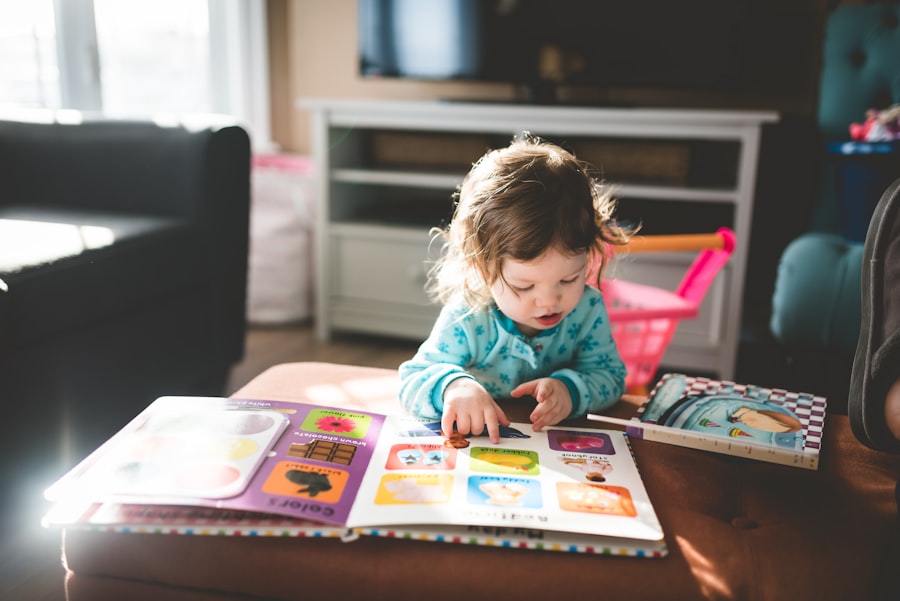
Storytelling serves as an empowering tool for children, enabling them to make positive choices by illustrating the consequences of various actions. Through narratives that depict characters facing challenges or moral dilemmas, children can explore different pathways and outcomes without real-world repercussions. For example, a story about a character who chooses honesty over deceit can highlight the long-term benefits of integrity while showcasing the potential pitfalls of dishonesty.
This exploration allows children to reflect on their values and consider how their choices align with those values. Moreover, storytelling can foster critical thinking skills by encouraging children to analyze characters’ decisions and their implications. When children engage with narratives that present complex situations, they learn to weigh options and consider multiple perspectives before arriving at a conclusion.
This analytical approach not only enhances their decision-making abilities but also empowers them to take ownership of their choices. As they become more adept at navigating moral landscapes through storytelling, they are better equipped to face real-life challenges with confidence and resilience.
The Role of Parents and Caregivers in Nurturing Emotional Intelligence in Children
Parents and caregivers play an essential role in nurturing emotional intelligence in children through active engagement with literature. By reading together and discussing the themes presented in stories, adults can help children process their emotions and develop empathy for others. For instance, after reading a story about friendship, parents can ask open-ended questions about how the characters felt during certain events or how they might have acted differently.
This dialogue encourages children to articulate their thoughts and feelings while reinforcing the lessons learned from the narrative. Additionally, parents can model emotional literacy by sharing their own experiences and emotions during storytelling sessions. When adults express vulnerability or discuss their feelings openly, it creates a safe space for children to do the same.
This modeling not only normalizes emotional expression but also teaches children valuable skills for navigating their own emotional landscapes. By fostering an environment where feelings are acknowledged and discussed openly, parents empower their children to develop strong emotional intelligence that will serve them throughout their lives.
Finding Quality Moral Kids Books Online and Moral Bedtime Stories for Kids
In an age where digital resources abound, finding quality moral kids’ books online can be both exciting and overwhelming for parents seeking enriching literature for their children. Numerous websites curate lists of recommended books that focus on moral lessons and emotional development. Platforms like Goodreads or specialized children’s book blogs often feature reviews and ratings that can guide parents toward age-appropriate selections that align with their values.
Additionally, many online retailers offer personalized recommendations based on previous purchases or browsing history, making it easier for parents to discover new titles that promote kindness and empathy. Libraries also provide digital lending services where families can access e-books without any cost, allowing them to explore various narratives without financial constraints. By leveraging these resources, parents can ensure that they are providing their children with high-quality moral bedtime stories that will enrich their emotional literacy and foster positive character development.
FAQs
What are the Emotional ABCs?
The Emotional ABCs is a program designed to help children identify and understand their emotions through simple stories and characters.
How do simple stories help kids name their feelings?
Simple stories can help kids name their feelings by providing relatable characters and situations that children can easily understand and connect with. By seeing how the characters in the stories navigate their emotions, children can learn to identify and name their own feelings.
How can kids learn to choose kindness through the Emotional ABCs program?
The Emotional ABCs program teaches kids to choose kindness by showing characters in the stories making positive choices and demonstrating empathy and compassion towards others. Through these examples, children can learn the value of kindness and how to apply it in their own lives.
What are the benefits of using the Emotional ABCs program for children?
The Emotional ABCs program can help children develop emotional intelligence, empathy, and social skills. It can also provide them with tools to navigate their own emotions and make positive choices in their interactions with others.
Is the Emotional ABCs program effective for teaching emotional awareness to children?
Research has shown that the Emotional ABCs program can be effective in helping children develop emotional awareness and understanding. By using simple stories and relatable characters, the program provides a practical and engaging way for children to learn about their emotions.
📚 The story that walks your child through it
A Volcano Inside Me — the story about anger that arrives too fast, for ages 8–14. Part of the Lena series from our moral stories for kids aged 8–12.