
Last updated: August 9, 2026
A child aged 8–12 will not take a lesson about honesty, but will follow someone their own age who lies once and then has to live with it. That is the whole difference. Here is what makes an honesty story work, and what makes one fall flat.
Not sure which challenge to start with? The free book finder for ages 8–12 asks five questions about what you have noticed at home and names one story — no email needed.
Moral values serve as the bedrock of a child’s character, shaping their understanding of right and wrong and guiding their interactions with others. From a young age, children are exposed to various influences that can either reinforce or undermine these values. Instilling a strong moral foundation is crucial, as it not only affects their behavior in childhood but also lays the groundwork for their future relationships and decision-making processes.
For instance, children who learn the importance of honesty and empathy are more likely to develop into responsible adults who contribute positively to society. This foundational understanding helps them navigate complex social situations, fostering resilience and ethical reasoning.
Children who grasp concepts such as fairness, respect, and kindness are better equipped to understand their own emotions and those of others. This emotional literacy is vital for building healthy relationships and effective communication skills. For example, a child who learns to value honesty is more likely to engage in open dialogues with peers and adults, leading to stronger connections and a supportive social network.
As they grow, these moral values will guide them in making choices that reflect their principles, ultimately influencing their personal and professional lives.
Key Takeaways
- Moral values play a crucial role in shaping a child’s character and behavior.
- Social media can have both positive and negative impacts on a child’s moral development.
- Storytelling is a powerful tool for instilling moral values and teaching important life lessons.
- ‘Boring’ books about honesty can have a significant impact on a child’s understanding of integrity.
- Parents and educators play a vital role in teaching and modeling honesty and integrity for children.
The Impact of Social Media on Moral Development
The rise of social media has transformed the landscape of communication and interaction among children and adolescents. While it offers opportunities for connection and self-expression, it also poses significant challenges to moral development. Social media platforms often prioritize sensationalism and instant gratification over thoughtful discourse, which can lead to a distorted understanding of moral values.
For instance, children may encounter content that glorifies unethical behavior or trivializes serious issues, making it difficult for them to discern right from wrong. This exposure can create a desensitization to moral dilemmas, where the consequences of actions are overshadowed by the pursuit of likes and shares. Furthermore, the anonymity provided by social media can lead to a lack of accountability for one’s actions.
Cyberbullying is a prime example of how social media can facilitate harmful behavior without immediate repercussions. Children who engage in or witness such behavior may struggle to develop empathy and compassion, as the virtual environment often lacks the emotional cues present in face-to-face interactions. This disconnect can hinder their ability to understand the impact of their actions on others, ultimately stunting their moral growth.
As they navigate this digital landscape, it becomes increasingly important for parents and educators to guide children in developing a critical lens through which to view social media content.
The Power of Storytelling in Shaping Moral Values
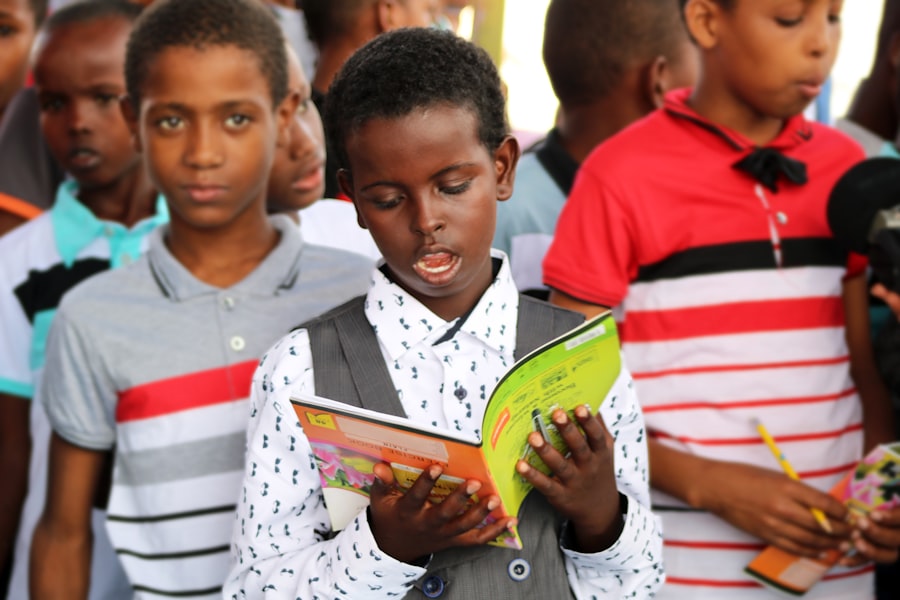
Storytelling has long been a powerful tool for imparting moral lessons and shaping values across generations. Through narratives, children can explore complex themes such as justice, loyalty, and integrity in a way that resonates with their experiences.
For example, classic fables like “The Boy Who Cried Wolf” illustrate the importance of honesty while engaging young readers with relatable characters and situations. These narratives not only entertain but also serve as cautionary tales that reinforce essential moral lessons. Moreover, storytelling fosters empathy by allowing children to step into the shoes of diverse characters.
When children read about individuals facing ethical challenges or moral conflicts, they gain insight into different perspectives and experiences. This exposure can cultivate a deeper understanding of human emotions and motivations, encouraging them to reflect on their own values. For instance, reading about a character who struggles with peer pressure can prompt discussions about integrity and the importance of standing up for one’s beliefs.
By engaging with stories that highlight moral values, children can internalize these lessons in a meaningful way that influences their behavior in real life.
How ‘Boring’ Books About Honesty Can Make a Difference
While many children’s books are filled with adventure and excitement, there exists a category of literature that may seem less thrilling but is equally important: books focused on honesty and integrity. Often perceived as “boring,” these texts may not capture the immediate attention of young readers; however, they play a crucial role in reinforcing fundamental moral values. Books that emphasize honesty provide clear examples of the consequences of deceit and the rewards of truthfulness.
For instance, stories that depict characters facing dilemmas related to lying or cheating can serve as valuable teaching moments for children. Additionally, these seemingly mundane narratives often encourage critical thinking and self-reflection. When children encounter characters who grapple with honesty in everyday situations—such as admitting mistakes or resisting temptation—they are prompted to consider how they would respond in similar circumstances.
This reflective process can lead to deeper discussions about the importance of integrity in their own lives. While these books may not have the flashy appeal of more action-packed stories, their understated messages about honesty can resonate profoundly with young readers, shaping their moral compass over time.
The Role of Parents and Educators in Instilling Honesty and Integrity
Parents and educators play a pivotal role in instilling honesty and integrity in children. Their influence extends beyond mere instruction; it encompasses modeling behavior, creating an environment conducive to open dialogue, and reinforcing the importance of moral values through everyday interactions. For instance, when parents demonstrate honesty in their own lives—whether by admitting mistakes or discussing ethical dilemmas—they provide tangible examples for children to emulate.
This modeling is crucial because children often learn more from observing actions than from listening to words alone. In educational settings, teachers can foster an atmosphere that prioritizes integrity by incorporating discussions about ethics into the curriculum. By encouraging students to explore moral questions and engage in debates about right and wrong, educators can help them develop critical thinking skills essential for navigating complex social situations.
Additionally, creating opportunities for collaborative projects can promote teamwork and accountability among peers, reinforcing the value of honesty in group dynamics. Through these combined efforts, parents and educators can cultivate an environment where honesty is not only encouraged but celebrated.
The Dangers of Viral TikTok Challenges and Their Influence on Behavior
The phenomenon of viral TikTok challenges has become a defining aspect of youth culture in recent years, often blurring the lines between harmless fun and dangerous behavior. While some challenges promote creativity and self-expression, others can lead to risky actions that compromise safety and ethical standards. For example, challenges that encourage reckless stunts or pranks may pressure children into participating without fully considering the potential consequences.
This trend raises concerns about how such behaviors influence moral development, as children may prioritize social validation over sound judgment. Moreover, the rapid spread of these challenges can create a herd mentality among young users, where the desire to fit in overshadows individual values. When children witness peers engaging in harmful or unethical challenges for likes or views, they may feel compelled to conform despite their better judgment.
This phenomenon underscores the importance of fostering critical thinking skills in children so they can evaluate the implications of their actions independently. Parents and educators must remain vigilant in discussing the potential dangers associated with viral trends while encouraging children to prioritize their safety and integrity over fleeting online fame.
The long-term effects of reading traditional literature versus consuming social media content are becoming increasingly evident as technology continues to shape children’s lives. Reading books has been shown to enhance cognitive development, improve vocabulary, and foster empathy through immersive storytelling experiences. In contrast, social media often promotes superficial engagement with content that lacks depth or critical analysis.
The fast-paced nature of scrolling through feeds can lead to diminished attention spans and reduced capacity for deep thinking—skills that are essential for navigating complex moral landscapes. Furthermore, the content consumed on social media frequently prioritizes sensationalism over substance, which can skew children’s perceptions of reality and morality. For instance, exposure to curated images and lifestyles may create unrealistic expectations about success and happiness, leading to feelings of inadequacy or disillusionment.
In contrast, reading literature allows children to explore diverse narratives that reflect real-life complexities, helping them develop a more nuanced understanding of human experiences. As they grow older, those who engage with literature are likely to possess stronger analytical skills and a more profound sense of empathy—qualities that are invaluable in both personal relationships and professional endeavors.
Practical Tips for Encouraging Children to Engage with Books About Honesty
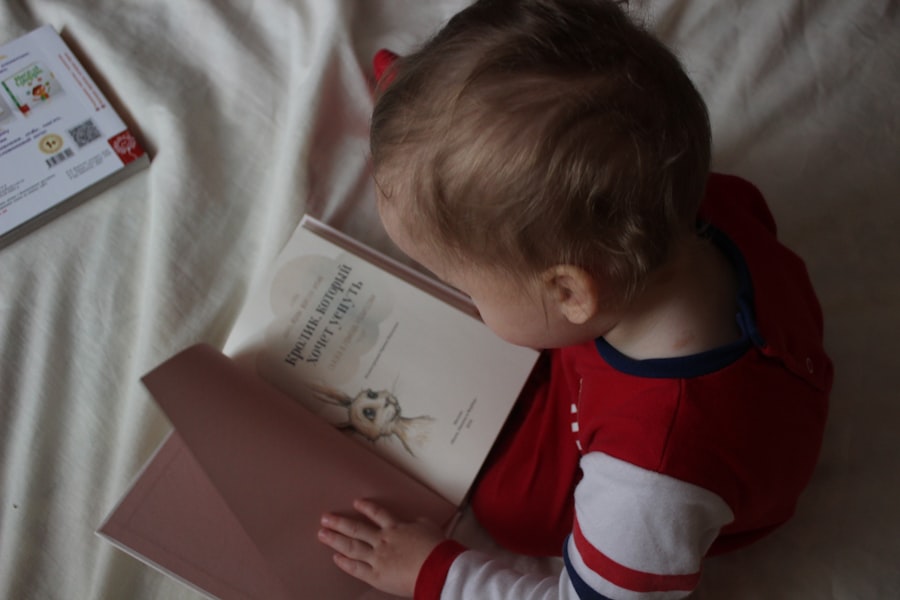
Encouraging children to engage with books focused on honesty requires creativity and intentionality from parents and educators alike. One effective strategy is to create a dedicated reading space that is inviting and comfortable, filled with age-appropriate literature that emphasizes moral values. By curating a selection of books that highlight themes of honesty—such as classic tales or contemporary stories—children will have easy access to narratives that resonate with their experiences.
Additionally, incorporating discussions about the stories read can enhance engagement and comprehension. After finishing a book, parents can ask open-ended questions that prompt reflection on the characters’ choices and the consequences they faced due to honesty or dishonesty. This dialogue not only reinforces the lessons learned but also encourages critical thinking skills as children articulate their thoughts on complex moral issues.
Furthermore, integrating storytelling into family routines—such as sharing personal anecdotes that emphasize honesty—can create meaningful connections between literature and real-life experiences. By fostering an environment where books about honesty are celebrated and discussed openly, parents and educators can instill lasting moral values in children while nurturing a lifelong love for reading.
FAQs
What are some examples of “boring” books about honesty?
Some examples of “boring” books about honesty include “The Honest Truth” by Dan Gemeinhart, “The Boy Who Cried Wolf” by Aesop, and “The Berenstain Bears and the Truth” by Stan and Jan Berenstain.
How do “boring” books about honesty differ from viral TikTok challenges?
“Boring” books about honesty focus on teaching moral values and ethical behavior through storytelling and character development, while viral TikTok challenges often prioritize entertainment and instant gratification.
Why do “boring” books about honesty matter more than viral TikTok challenges?
“Boring” books about honesty matter more than viral TikTok challenges because they provide a deeper understanding of the importance of honesty and integrity, and offer timeless lessons that can positively impact a reader’s character and decision-making skills.
What are the benefits of reading “boring” books about honesty?
Reading “boring” books about honesty can help develop empathy, critical thinking, and moral reasoning skills. These books also provide a foundation for understanding the consequences of dishonesty and the value of integrity in personal and professional relationships.
How can “boring” books about honesty contribute to a child’s development?
“Boring” books about honesty can contribute to a child’s development by instilling important values, fostering empathy, and promoting ethical decision-making. These books also encourage children to reflect on their own behavior and understand the impact of honesty on their relationships with others.
Want a story that teaches this?
School Secrets (The Big Challenge) shows a child choosing integrity over the crowd — with a song, activities, and a short parent guide. Explore the full collection in our shop. Related reading: helping tweens stay true in a social-media world.
📚 The story that walks your child through it
School Secrets — the story about honesty under pressure, for ages 8–14. Part of the Lena series from our moral stories for kids aged 8–12.