

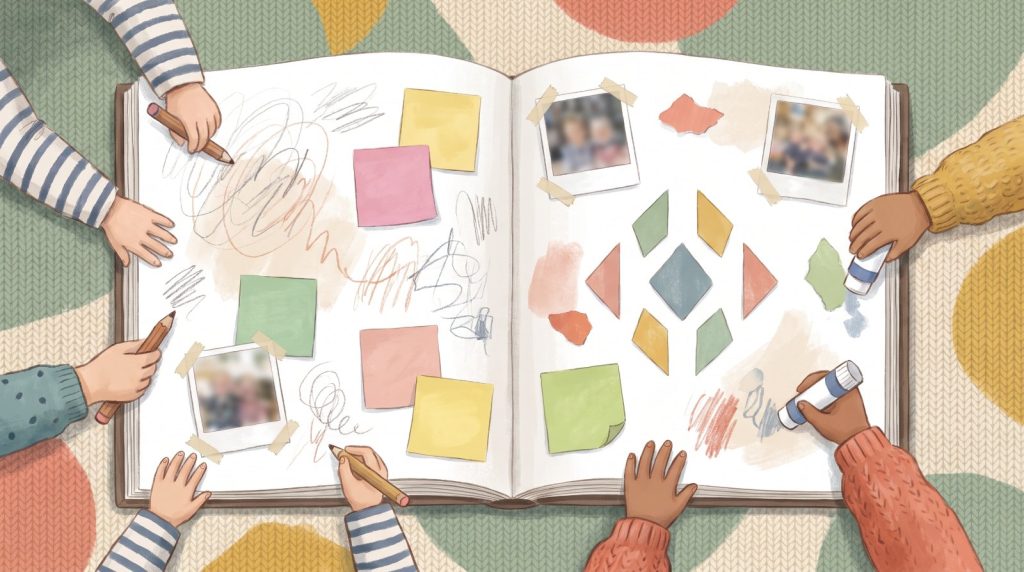
A PSHE floor book is one large scrapbook that a whole class fills in together during PSHE lessons. Instead of thirty exercise books, the class keeps a single oversized book — usually A2 or A3 — on the carpet or the table. The teacher writes what children actually say, sticks in photographs, sorting activities, post-its, drawings and worksheets, and the book becomes the record of how that class thought about a topic over a term or a year.
It is not a display. It is not a folder of completed worksheets. It is the class’s thinking, captured while it happens.
Why floor books suit PSHE better than exercise books
Most primary schools do not give children a separate PSHE exercise book, and for good reason: the subject is mostly discussion. A child can have a brilliant PSHE lesson and produce nothing on paper at all. That creates a real problem — the learning is genuine but invisible, and subject leaders are left with nothing to show for it.
A floor book solves that in three ways:
- It records talk. The most valuable thing in a PSHE lesson is what a child says out loud. A floor book is the only format designed to catch it.
- It keeps pupil voice unedited. Children’s words go in as they were said, with their name or initials next to them. That is what makes it evidence rather than decoration.
- It shows progression. Turn to September, then to July. If the answers in July are more nuanced than the ones in September, the book has proved something an assessment grid cannot.
What actually goes in a PSHE floor book
- The big question for the lesson, written at the top of the page before the lesson starts.
- Quotes from children, attributed — “I think it is bullying if they keep doing it after you ask them to stop.” (Amira, Y5)
- Photographs of the activity: the diamond-nine ranking, the continuum line across the classroom, the role-play.
- Sorting and card activities stuck straight in, exactly as the class left them — including the ones they argued about.
- A small number of pupil worksheets, chosen because they show thinking, not because they are neat.
- The teacher’s one-line reflection: what surprised you, and what you will do next lesson because of it.
- A revisit: the same question asked again weeks later, with the new answers next to the old ones.
How to start one — six steps
- Buy one big blank book per class per year. A2 sugar-paper scrapbooks are the usual choice; A3 is easier to store and still large enough for the class to gather round.
- Agree one format across the school. Big question at the top, children’s words in the middle, teacher reflection at the bottom. Consistency is what makes the books comparable later.
- Write in it during the lesson, not after. Ten minutes at the end, on the carpet, with children watching their words go down, is worth more than a tidy write-up at home.
- Let children write in it too. From Year 3 upwards they can add their own sentence, and it changes how they treat the book.
- Photograph one page per half-term and keep the images in a shared folder. That is your subject-leader evidence without ever moving the book.
- Revisit twice a year. Open September’s page in February. Ask the same question. Stick the new answers alongside.
Strong floor book or weak floor book? The test
Floor books go wrong in a predictable way: they turn into a display album. Here is how to tell the difference at a glance.
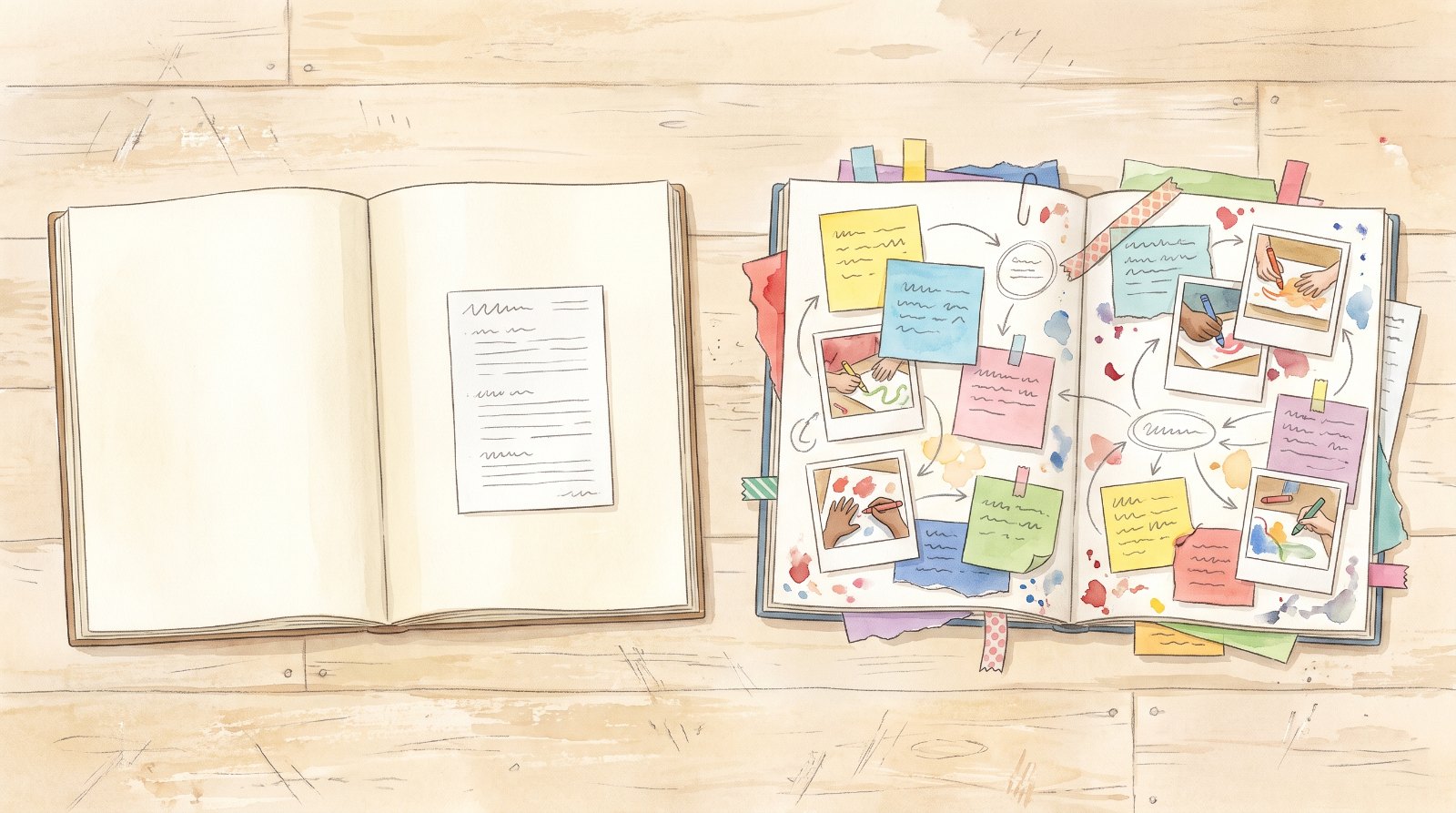
| What you see | Looks fine, but is weak | Actually strong |
|---|---|---|
| The writing | Teacher’s summary of the lesson, in teacher language | Children’s own sentences, in children’s words, with names |
| The photos | Smiling children holding up finished work | The activity mid-argument: cards half-sorted, the continuum line with children standing on it |
| Disagreement | Only the right answer appears | The wrong answer appears too, with what changed the child’s mind |
| Neatness | Every page could go on a wall | Some pages are messy because the lesson was |
| Over time | Every page looks the same in July as in September | The same question, asked twice, with visibly deeper answers the second time |
The quickest single check: cover the photographs and read only the words. If you can still tell what the children thought and how it changed, the book is doing its job. If all that is left is the teacher’s voice, it has become a display album.
A term of PSHE floor book questions (upper KS2)
| Theme | Big question for the page |
|---|---|
| Friendship | When does a falling-out become bullying? |
| Feelings | Where do you feel worry in your body — and what does it want you to do? |
| Anger | What happens in the two seconds before you shout? |
| Online life | What does a photograph leave out? |
| Perfectionism | What does “good enough” mean, and who decides? |
| Belonging | What is the difference between being alone and being left out? |
| Gratitude | What did you nearly not notice today? |
Each of these works better after a shared story than as a cold question. Our ten Lena stories for ages 8–14 are organised by exactly these problems, and every one has a free read-aloud you can play to the class before you open the book.
Using a floor book as evidence
Subject leaders are usually asked two questions: what is the PSHE curriculum here, and how do you know it is working? A floor book answers the second. Photograph one spread per class per half-term, file the images by year group, and you have a progression record that shows real pupil voice rather than a coverage checklist. Pair it with your scheme of work — the PSHE Association Programme of Study is the usual reference point in England — and the two together answer both questions.
Frequently asked questions
What size should a PSHE floor book be?
A2 is traditional because a whole class can gather round it on the carpet. A3 is more practical for storage and works from Year 3 upwards. One book per class per academic year is the usual arrangement.
Do children write in the floor book themselves?
Yes, from about Year 2 or 3. Younger classes usually dictate and the adult scribes. Mixing both — some pages scribed, some written by children — is normal and shows range.
How is a floor book different from a class scrapbook?
A scrapbook records what the class did. A floor book records what the class thought. The test is whether a stranger reading it can follow the thinking, not just the activities.
Is one floor book per class enough for PSHE?
For most primary schools, yes. Some schools keep a second, smaller book for the topics that need a private record, such as relationships education, and store it separately.
Can a floor book replace assessment in PSHE?
It cannot replace a scheme of work, but it is stronger evidence of learning than most written assessment in this subject, because it captures reasoning rather than recall. Most schools use both: the scheme shows coverage, the floor book shows depth.
Ten stories that give a floor book something to fill
A floor book is only as good as the discussion that feeds it, and the discussion is easier when everyone in the room has just heard the same story. These are the ten we wrote for exactly this: each one is a short chapter book for ages 8–14 built around a single thing children actually do, and each one ends on a decision rather than a moral, so there is something real to argue about on the carpet.
- Read one chapter aloud — five to ten minutes, no preparation.
- Stop at the decision and ask the class what they would do next.
- Write their answers straight into the floor book, disagreements included, with names and the date.
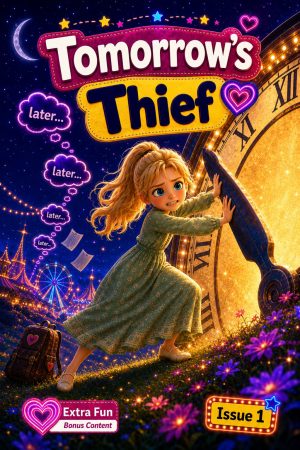 Tomorrow’s ThiefPutting things off
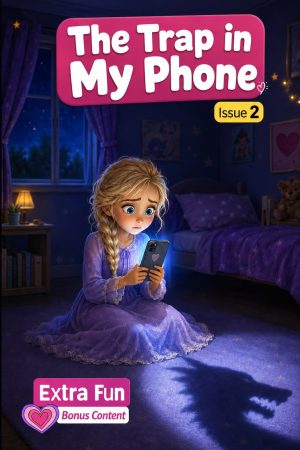 The Trap in My PhoneSecrets and online pressure
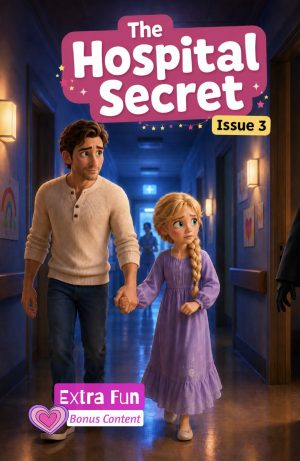 The Hospital SecretWhat-if worry
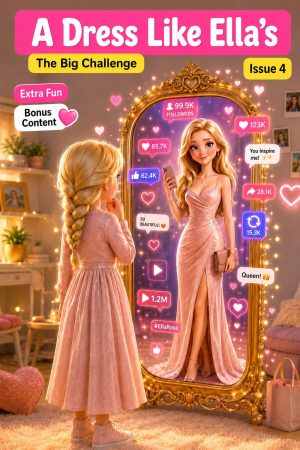 A Dress Like Ella’sCopying the crowd
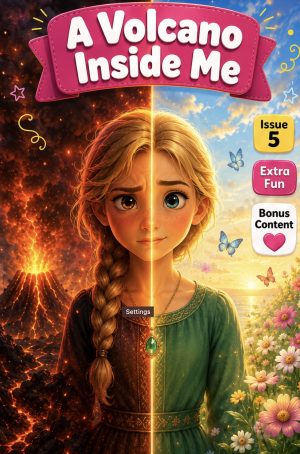 A Volcano Inside MeAnger
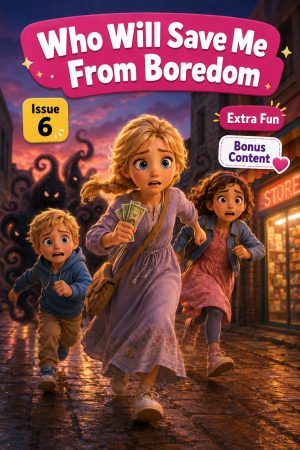 Who Will Save Me From BoredomBoredom and screens
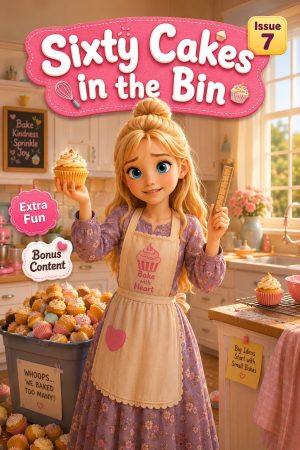 Sixty Cakes in the BinWaste and taking things for granted
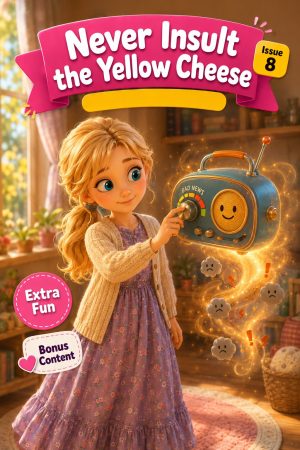 Never Insult the Yellow CheeseHurtful words
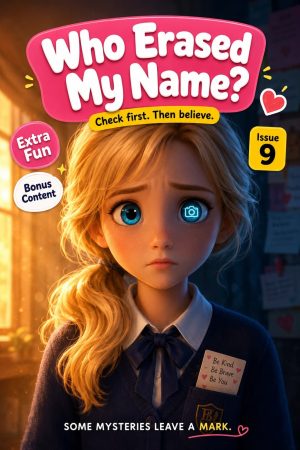 Who Erased My Name?Being left out
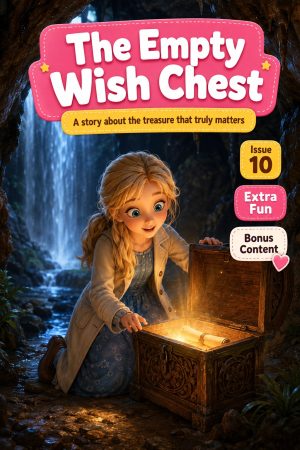 The Empty Wish ChestWishing instead of doing
Every title has a free read-aloud recording, so you can try one before you buy anything: see all ten with a listen-free link for each. If you need a set for a class or a year group, the school packs are here, and the Anti-Bullying Week page has a ready-made five-day plan you can paste into a floor book as it happens.
Free resources you can stick straight in
- Anti-Bullying Week 2026 pack — a ten-minute assembly script and a five-day plan, with activities designed to be cut out and stuck into a floor book.
- Ten free PSHE discussion guides on Tes — one per story, each with cut-out cards and two pupil worksheets.
- PSHE books for KS2 and class sets — how the ten stories map to the Programme of Study.